

Malibu, Calabasas, Woodland Hills: A Shifting Market
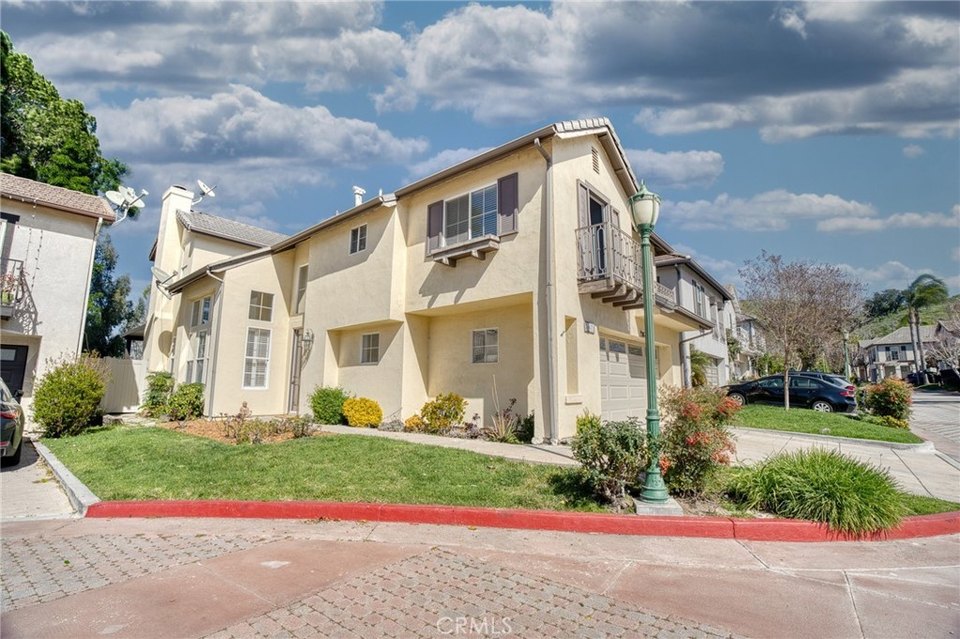
The Southern California real estate market, especially in gated communities like Malibu, Calabasas, and Woodland Hills, is recalibrating. The frenzied pace of recent years has eased. Sales are taking longer, inventory is slowly growing, and buyers are more deliberate. This isn't a downturn, but a return to normal after unusual activity.
These three communities offer a spectrum of the luxury market. Malibu consistently commands the highest prices, attracting a global clientele. Calabasas blends luxury with family amenities, while Woodland Hills offers a suburban feel with good schools. Understanding each area's dynamics is important for buyers and sellers.
Looking ahead to 2026, potential interest rate changes are a significant factor. While predicting the future is impossible, preparing for various scenarios is wise. The goal is to empower clients with information for informed decisions. We're helping buyers and sellers understand how different rate environments might impact their strategies.
With over a decade in Southern California real estate, I've seen market cycles. Adaptability and a deep understanding of the local market are key, especially in these desirable gated communities where demand often outstrips supply, though this can shift.
The 2026 Rate Forecast: What Experts Say
Predicting interest rates is difficult, and 2026 is no exception. Forecasts vary, but most experts expect rates to remain elevated compared to pandemic-era lows. Freddie Mac's December 2023 forecast suggested a gradual decline, but still above 6% for much of 2024 and 2025. The Mortgage Bankers Association projects similar modest decreases with significant uncertainty.
Several factors influence these predictions. Inflation, while moderating, remains a concern. The Federal Reserve’s monetary policy and overall economic growth are key. If inflation proves stickier than expected, the Fed may maintain higher rates longer. Conversely, a significant economic slowdown could prompt them to lower rates to stimulate growth.
These are just forecasts, and economic conditions can change rapidly. Instead of fixating on a specific number, it's more prudent to prepare for a range of possibilities. Rates will likely fluctuate between 6% and 7.5% in 2026, but could move outside that range.
2026 30-Year Fixed Mortgage Rate Forecasts
| Source | Low Estimate | High Estimate | Key Assumptions |
|---|---|---|---|
| Mortgage Bankers Association (MBA) | 6.5% | 7.5% | Moderate economic growth, easing inflation, and stabilizing housing supply. |
| National Association of Realtors (NAR) | 6.8% | 7.8% | Continued labor market strength, modest wage gains, and gradual decline in inflation. |
| Fannie Mae | 6.7% | 7.7% | Expects inflation to gradually return to the Federal Reserve’s 2% target, leading to rate declines. |
| Freddie Mac | 6.6% | 7.6% | Assumes the Federal Reserve will begin to cut rates in late 2025, impacting 2026 rates. |
| Wells Fargo Economics | 6.5% | 7.5% | Anticipates a slowing economy and Federal Reserve policy adjustments to support growth. |
Illustrative comparison based on the article research brief. Verify current pricing, limits, and product details in the official docs before relying on it.
A Southern California real estate firm has purchased a new apartment complex in Las Vegas for more than $100 million.
— Las Vegas Review-Journal (@reviewjournal) April 14, 2026
DETAILS: https://t.co/ScmMpiRcnI pic.twitter.com/koUWegnWKL
Buyer Strategies: Adjusting to Higher Rates
Buyers in the Southern California gated community market are adapting to higher interest rates. Affordability is a top concern. More clients are carefully evaluating budgets and being more selective in their search. They're taking a longer view, understanding homeownership is a long-term investment.
One strategy is an increased focus on down payments. Putting down 20% or more reduces the loan amount and can qualify buyers for better rates. Others explore adjustable-rate mortgages (ARMs), with a clear understanding of the risks involved. A willingness to negotiate is also apparent, something less common in recent years.
A client in Calabasas initially wanted a property priced at $2.5 million. After discussing potential higher rates, they adjusted expectations and purchased a home for $2.2 million, saving significantly in upfront costs and monthly payments. Another client in Woodland Hills increased their down payment from 10% to 20% to secure a more favorable rate.
Buyers are also strategic about timing. Instead of waiting for the “perfect” moment, they recognize that timing the market is often futile. They focus on finding a property that meets their needs and fits their budget, then making a move.
The ARM Debate: Risk vs. Reward
Adjustable-Rate Mortgages (ARMs) are gaining attention as rates rise, but they carry risk. An ARM typically offers a lower initial interest rate than a fixed-rate mortgage, but that rate can adjust periodically – usually annually – based on a specific index. Common ARM structures include 5/1, 7/1, and 10/1, where the first number is the fixed-rate period and the second number is how often the rate adjusts after that.
The benefit of an ARM is saving money in the early years of the loan. However, if interest rates rise, monthly payments could increase significantly. It's important to understand the ARM's terms, including the index it's tied to, the adjustment frequency, and the maximum rate it can reach. The initial lower rate can be attractive, but stress-testing the loan to see how it would perform if rates increased substantially is essential.
ARMs might suit buyers who plan to live in the property for a short period or anticipate their income will increase significantly. For most buyers, a fixed-rate mortgage provides greater peace of mind and financial stability. Clients should carefully weigh the risks and benefits before considering an ARM.
Seller Considerations: Pricing and Negotiation
Sellers in the Southern California gated community market need to adjust expectations to the new reality. Receiving multiple offers above asking price is largely over. Realistic pricing is paramount. Overpricing a property means it sits on the market longer, deterring potential buyers.
Openness to negotiation is also essential. Buyers are more likely to make offers below asking price, and sellers need to consider them. This doesn’t mean accepting lowball offers, but it does mean being flexible and understanding current market conditions. Focusing on your property's unique features is key. What sets it apart from the competition?
Staging and marketing are more important than ever. A well-presented property attracts more interest. Professional photography, virtual tours, and targeted marketing campaigns make a significant difference. A team of experienced stagers and marketers can ensure clients’ properties are presented in the best possible light.
undefined periods. They either reduce their price significantly or end up withdrawing the property. Proactive adjustments, based on market feedback, are crucial.
Cash is Still King (But Options Expand)
All-cash offers continue to hold a significant advantage in a rising rate environment. They provide certainty for sellers and eliminate the risk of financing falling through. However, not all buyers have the ability to pay cash. Fortunately, alternative financing options are gaining traction.
Seller financing, where the seller acts as the lender, is one possibility. This can be attractive to both buyers and sellers, but it requires careful legal documentation and a thorough understanding of the risks involved. Another option, in certain circumstances, is assuming an existing mortgage. This can be particularly advantageous if the existing mortgage has a lower interest rate than current market rates.
I’ve seen a small uptick in interest in these options recently, particularly among buyers who are struggling to qualify for traditional financing. However, they are not suitable for everyone. It’s important to consult with a real estate attorney and a financial advisor to determine if these options are right for your situation.
It is important to note that seller financing may not be available in all cases and is subject to lender approval and legal compliance.
Local Market Nuances: Malibu vs. Calabasas vs. Woodland Hills
The impact of potential rate changes will vary across these three markets. Malibu, with its exceptionally high price points, is likely to be the most sensitive to rate fluctuations. Demand for luxury properties in Malibu tends to be more discretionary, and buyers are more likely to postpone purchases if rates rise. The average sale price in Malibu in January 2024 was $4.8 million, according to local MLS data.
Calabasas and Woodland Hills, with more moderate price ranges, might be more resilient. The average sale price in Calabasas in January 2024 was $1.7 million, while in Woodland Hills it was $1.4 million. These communities attract a broader range of buyers, including families and professionals who are less sensitive to rate changes.
Recent sales trends reflect these differences. In Malibu, the number of sales decreased by 15% in the fourth quarter of 2023 compared to the same period in 2022. In Calabasas, the decrease was 8%, and in Woodland Hills, it was only 5%. This suggests that the lower price points in Calabasas and Woodland Hills are providing some insulation from the impact of rising rates.
Ultimately, each market has its own unique characteristics. Understanding these nuances is essential for both buyers and sellers. We provide detailed market reports for each community to help our clients make informed decisions.
Working with a Specialist: Why It Matters Now
Navigating the Southern California gated community market is complex, even in stable times. In an environment with potential interest rate changes, expert guidance is more valuable than ever. A specialist understands the nuances of each community, the local market trends, and the financing options available to buyers.
Our team at Your Real Estate Specialist has a proven track record of success in these exclusive markets. We have a deep understanding of the legal and financial considerations involved in buying and selling property in California. We are committed to providing our clients with personalized service and expert advice.
We don't just list properties; we develop strategies. We work closely with our clients to understand their needs and goals, and then we tailor our approach to achieve the best possible outcome. This includes providing realistic pricing guidance, negotiating effectively on their behalf, and coordinating all aspects of the transaction.
The market is shifting, and the stakes are high. Working with a knowledgeable and experienced real estate specialist can make all the difference. We are here to help you navigate this changing landscape and achieve your real estate goals.



No comments yet. Be the first to share your thoughts!