

Southern California gated market overview
Buying and selling in Southern California gated communities requires navigating a market defined by exclusivity and privacy. Areas like Malibu, Calabasas, and Woodland Hills offer distinct value propositions that go beyond standard luxury amenities. The primary draw is the controlled access and enhanced security, which appeal to high-net-worth individuals seeking discretion.

The inventory in these enclaves is often limited, creating a competitive environment for qualified buyers. Homes here tend to retain value better than non-gated counterparts due to the scarcity of land and the prestige associated with the address. Sellers benefit from a smaller pool of buyers, but those buyers are typically pre-qualified and motivated.
Understanding the specific HOA rules and community standards is essential before listing or making an offer. Each gated community has its own set of restrictions regarding property modifications, rentals, and even vehicle storage. These rules can significantly impact the usability and resale potential of a home, making due diligence a critical first step in the transaction.
Step 1: Assess your budget and HOA requirements
Buying a home in a Southern California gated community requires a financial assessment that goes beyond standard mortgage pre-approval. While the purchase price sets the baseline, the ongoing costs of living behind a gate often dictate your long-term affordability. You must evaluate both your lending capacity and the specific financial rules of the community before making an offer.
Calculate your true monthly housing cost
Lenders look at your debt-to-income ratio, but they also scrutinize the homeowners association (HOA) fees included in the property’s listing. In gated communities, these fees fund private security, landscaping, and shared amenities, which can significantly increase your monthly outlay. Ensure your budget accounts for these recurring costs so you aren’t stretched thin after closing.

Request a pre-approval letter that explicitly includes estimated HOA dues. This ensures the lender verifies your ability to cover the total monthly payment, not just the principal and interest. A strong pre-approval signal shows sellers you understand the full financial commitment.

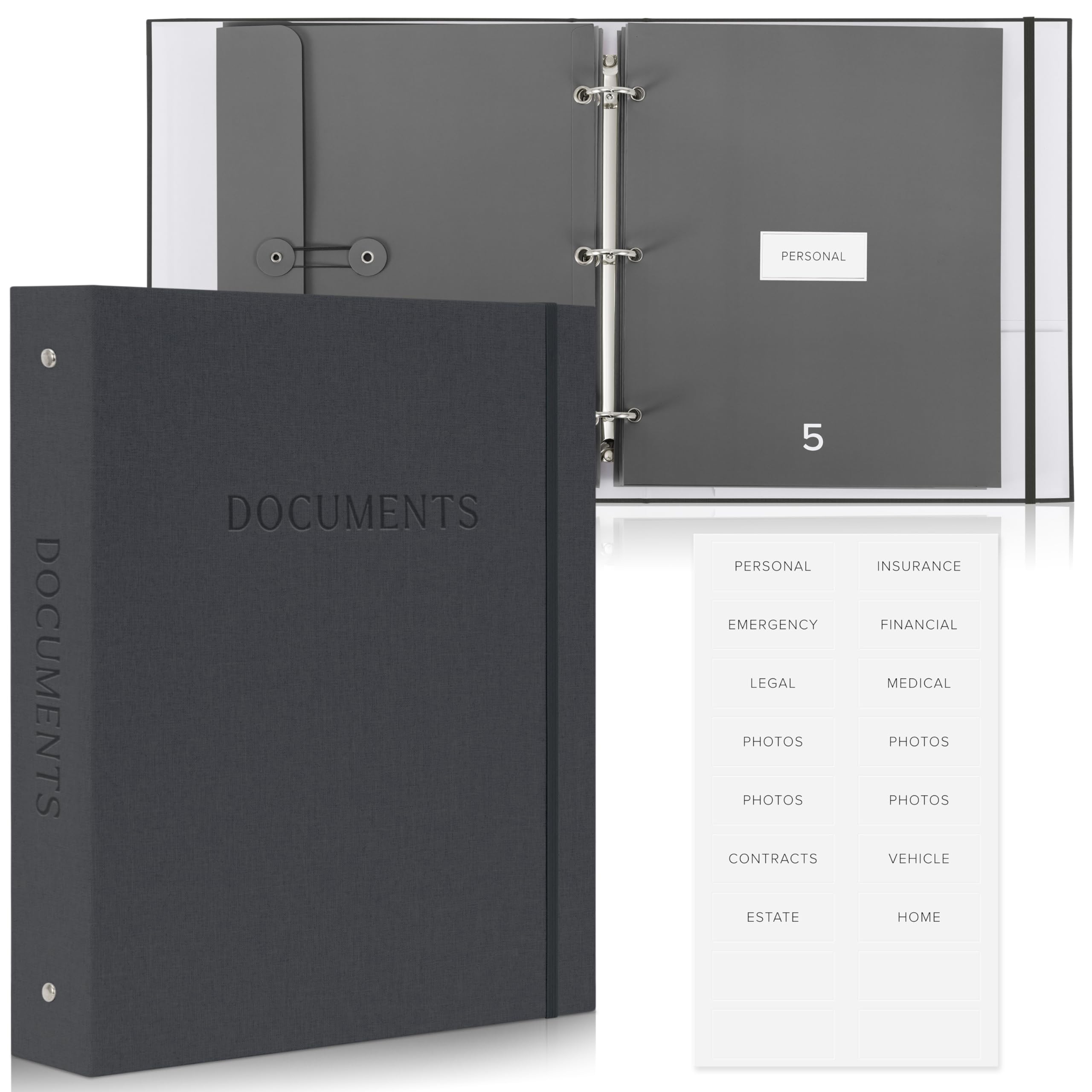
Ask your agent for the community’s latest reserve study and financial statements. These documents reveal if the HOA is underfunded, which could lead to special assessments or sudden fee hikes. A healthy reserve fund indicates stable management and protects your investment from unexpected financial burdens.

Gated communities often have strict rules regarding rentals, pets, and exterior modifications. Review the CC&Rs (Covenants, Conditions, and Restrictions) to ensure your lifestyle and investment goals align with the community’s regulations. Understanding these constraints early prevents costly surprises during the due diligence period.


As an Amazon Associate, we may earn from qualifying purchases.
Why this step matters
Skipping a thorough HOA review is one of the most common mistakes new buyers make in Southern California. The prestige of a gated community comes with strict governance and higher costs. By assessing your budget and understanding the community’s financial health upfront, you protect yourself from hidden fees and restrictive covenants that could limit your ownership experience.
Tour Malibu, Calabasas, and Woodland Hills
Viewing properties in Southern California gated communities requires understanding the distinct lifestyle and price structures of each market. Touring these three areas helps you decide whether coastal luxury, hillside privacy, or suburban convenience best fits your budget and daily routine.
Malibu: Coastal Luxury and Privacy
Malibu offers the most exclusive coastal living, characterized by direct beach access and sprawling estates. Properties here command premium prices due to the limited inventory and high demand for ocean views. Gated communities in Malibu often feature massive lots, ensuring significant privacy between neighbors. This area suits buyers who prioritize a resort-like lifestyle and can absorb the highest price points in the region.
Calabasas: Hillside Privacy and Space
Calabasas provides a more secluded, hillside experience with a focus on large acreage and equestrian estates. The terrain is rugged, offering panoramic views and a strong sense of isolation from urban noise. Gated neighborhoods here often include custom-built homes on half-acre lots or larger. This market appeals to those seeking space, security, and a quieter, more rural atmosphere while remaining close to major employment hubs.
Woodland Hills: Suburban Convenience
Woodland Hills delivers a balanced suburban lifestyle with easy access to shopping, dining, and major freeways. Gated communities here typically feature more traditional single-family homes or townhomes with shared amenities like pools and clubhouses. The price point is significantly lower than Malibu or Calabasas, making it accessible to a broader range of buyers. This area is ideal for families or professionals who want security and convenience without the extreme isolation of the hills.
Before touring, review recent sales data for each area. Compare median home prices, days on market, and inventory levels to set realistic expectations for each neighborhood.
Book dedicated days for each area. Start with Malibu to see the high-end market, then move to Calabasas for hillside options, and finish in Woodland Hills for suburban comparisons.
During each tour, assess commute times, local amenities, and community rules. Note how the environment feels at different times of day to ensure it matches your long-term lifestyle needs.
Step 3: plan around the offer and negotiation process
In Southern California’s gated communities, inventory is scarce and competition is fierce. A standard offer rarely wins in this market. You must structure your proposal to stand out to sellers who often have multiple backup offers already in place. This means moving beyond price and focusing on terms that reduce risk for the seller while demonstrating your financial strength.
1. Lead with a Pre-Approval Letter
A pre-qualification letter is not enough. Sellers want to see a verified pre-approval from a lender familiar with HOA financials. Ensure your lender understands the specific requirements of the community, such as reserve fund health or rental restrictions. A strong pre-approval letter signals that your financing is solid and less likely to fall through during the underwriting process.
2. Minimize Contingencies Strategically
Waiving certain contingencies can make your offer more attractive, but do so with caution. In gated communities, the HOA approval process can be lengthy. Instead of waiving the inspection contingency entirely, consider shortening the inspection period to five days. You might also waive the appraisal gap if you have significant cash reserves, but never waive the title contingency without legal advice.
3. Offer Above Ask with Appraisal Gaps
If the market is moving quickly, offering above the asking price is often necessary. To protect yourself, include an appraisal gap clause. This clause states that you will cover the difference between the appraised value and the purchase price up to a certain amount. This reassures the seller that the deal will close even if the appraisal comes in lower than your offer.
4. Provide a Strong Earnest Money Deposit
A larger earnest money deposit (EMD) shows serious intent. In competitive Southern California markets, offering two to three percent of the purchase price as EMD can make your offer stand out. This amount is held in escrow and applies to your down payment if the deal closes. If you back out without a valid contingency, you may lose this money, so only offer more if you are confident in your ability to close.
5. Write a Personal Letter
In some cases, a personal letter to the seller can help. Keep it brief and professional. Explain why you love the home and how you plan to care for it. Avoid disclosing sensitive personal information. This human touch can sometimes tip the scales when multiple offers are financially similar.
Gather your pre-approval letter, proof of funds for the earnest money deposit, and any letters of explanation for credit anomalies. Ensure your lender is responsive to HOA requests.
Set your price, define the earnest money amount, and decide which contingencies to waive or shorten. Include an appraisal gap clause if you are offering above ask.

Submit your offer through your agent. Be prepared to counteroffer quickly if the seller responds. Keep communication open and flexible to adapt to the seller’s needs.
Stage and price for a premium sale
Selling in a Southern California gated community requires a different playbook than the open market. Buyers here pay for privacy, security, and a seamless indoor-outdoor lifestyle. Your home needs to reflect that standard immediately. Start by treating your property like a luxury hotel lobby. Every angle should feel curated, not just cleaned.
Boost curb appeal and privacy
First impressions happen before the gate opens. In gated enclaves, neighbors and buyers often spot your home from the street or the entry road. Make sure the exterior is pristine. Power wash driveways, trim hedges that block sightlines, and ensure the front door hardware shines. If your property has a privacy fence or gate, treat it like the main entrance. Fresh paint or new lighting here signals that the interior is equally well-maintained.

Remove personal photos, excess furniture, and magnetic clutter. Buyers need to visualize their own lives in the space. In gated communities, where homes are often larger, empty rooms feel more expansive and luxurious. Aim for 50% less furniture than you currently have. This makes the square footage feel premium rather than cramped.

Southern California buyers prioritize outdoor rooms. Stage your patio, pool area, or balcony as an extension of the living room. Add weather-resistant cushions, outdoor rugs, and potted plants. Ensure the pool is crystal clear. If you have a fire pit or outdoor kitchen, make sure they are clean and functional. This is often the deciding factor for premium offers.

Do not price your home based on non-gated neighborhoods. Gated communities command a premium due to restricted access and shared amenities. Work with an agent who specifically tracks sales within your HOA or similar gated enclaves. Overpricing in a niche market can lead to stagnation. Underpricing leaves money on the table. Aim for a price that reflects the exclusivity of the gate.
Highlight security and amenities
When staging, subtly remind buyers of the lifestyle they are buying. This isn't just a house; it's a secured estate. If your community has a club, tennis courts, or 24/7 security, mention this in the listing description and highlight it during showings. Ensure the interior lighting is bright and welcoming. In gated communities, safety is a primary driver. Clean windows and well-lit hallways reinforce the feeling of security.
Final polish before listing
Before you hit the market, do a final walkthrough. Check for scuff marks on walls, sticky doors, or burnt-out light bulbs. These small details signal neglect. In a high-end gated community, buyers expect perfection. A fresh coat of neutral paint can work wonders. It makes the home feel move-in ready and allows buyers to focus on the view and the layout, not the previous owner's taste.
Common questions about gated real estate
Gated communities in Southern California operate with distinct rules and financial structures. Buyers and sellers often face specific hurdles that general agents might overlook. Understanding these mechanics helps you plan around the transaction without surprises.
What is a real estate specialist?
A real estate specialist focuses on facility planning, infrastructure design, and complex lease transactions. In gated communities, this expertise extends to HOA bylaws, security protocols, and community infrastructure. They handle the research on construction services and negotiate contracts that protect your interests within restricted zones.
How much does an agent make off a $300,000 house?
While $300,000 is below the typical price point for Southern California gated estates, the commission structure remains consistent. Agents typically earn 5-6% of the final sale price, split between the buyer’s and seller’s agents. For a $300,000 transaction, this results in a total commission of $15,000 to $18,000, which is then divided between the brokerage and the individual agents involved.
What is the highest paying job in real estate?
The highest earning roles usually involve ownership or high-volume sales. Real estate investors, developers, and commercial sales agents often out-earn residential agents. However, for a buyer or seller in a gated community, the most valuable "job" is hiring a specialist who understands the local luxury market dynamics, not just the general brokerage model.
No comments yet. Be the first to share your thoughts!