

The new fire reality in Southern California
Wildfires in Southern California aren't just seasonal events anymore; they are the primary factor driving real estate prices. After the Woolsey and Thomas fires, the way we value a canyon view has changed. Buyers and insurers now look at a hillside and see fuel loads rather than just scenery.
Insurance companies are pulling out of the hills. If you live in a high-risk zone, you've likely seen a non-renewal notice or a premium hike that looks like a mortgage payment. A March 2026 study from the California Department of Insurance found that if Los Angeles rebuilt using modern safety standards, fire losses would drop significantly. It confirms that if you don't build for fire, you won't get covered.
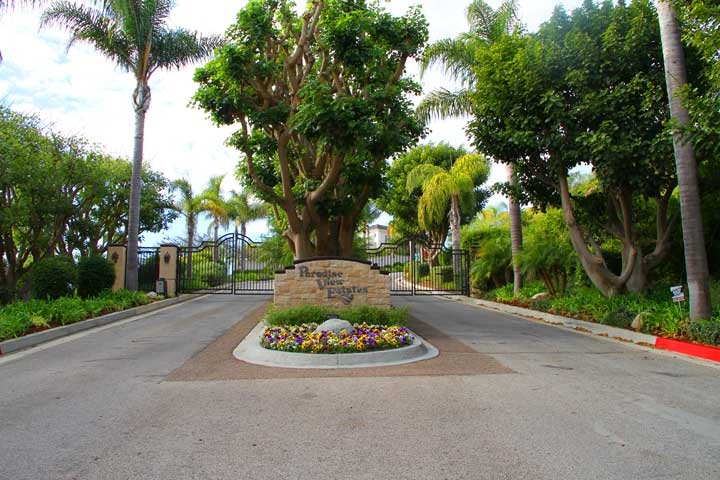
In response to this growing threat, we’re seeing a noticeable trend in buyer behavior. More clients are prioritizing safety and seeking communities that have taken steps to mitigate wildfire risk. This is where gated communities, particularly those with a focus on fire safety, are beginning to stand out. They represent a proactive approach, a deliberate attempt to build resilience in the face of an uncertain future. It’s a shift I’ve observed firsthand in the market.
These communities aren’t a perfect solution, but they offer a level of security and preparedness that many homeowners are actively seeking. It’s no longer enough to simply hope for the best; people want to see tangible measures in place to protect their homes and families. This demand is reshaping Southern California real estate.

What defines a fire-safe community
Defining a 'fire safe' community isn't about eliminating risk entirely—that’s impossible in Southern California. It's about reducing risk through careful planning and proactive mitigation measures. A key component is defensible space. The California Department of Real Estate (dre.ca.gov) provides guidance on local regulations, but generally, this means creating a buffer zone around homes by removing flammable vegetation, pruning trees, and maintaining clear ground cover.
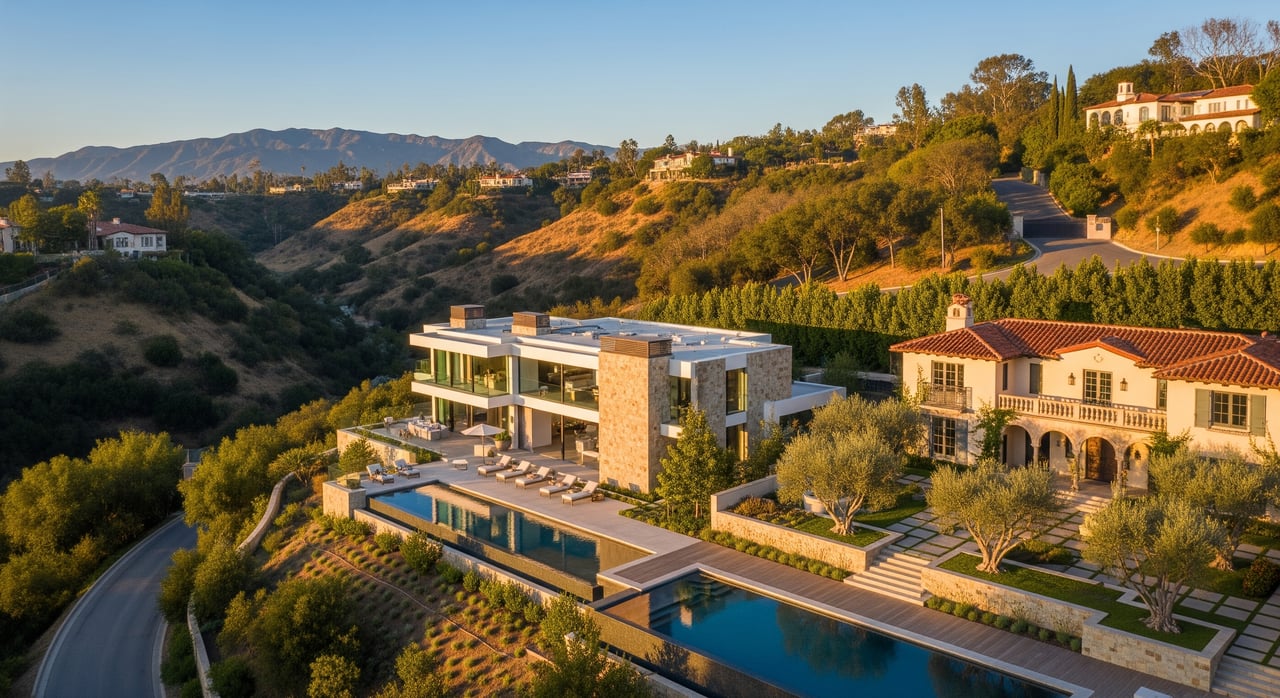
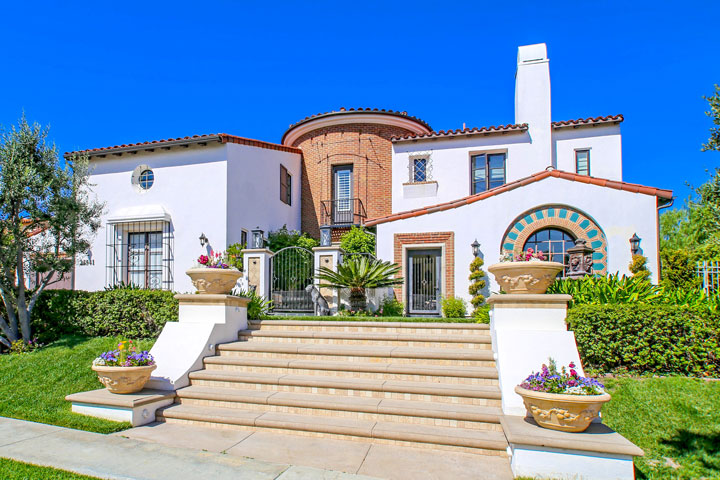
Building materials play a significant role, too. Fire-resistant roofing – think metal or tile instead of wood shingles – is crucial. Siding should also be non-combustible, such as fiber cement or stucco. Windows are another vulnerability; dual-pane windows with tempered glass are much more resistant to cracking and breaking during a fire. These aren't merely suggestions; many new developments are now required to incorporate these materials.
Beyond individual homes, community-level infrastructure is vital. Underground utilities eliminate the risk of downed power lines sparking fires. A robust water infrastructure, including multiple water sources and strategically placed fire hydrants, is essential for firefighting efforts. Equally important is a well-defined community evacuation plan, practiced regularly, and a clear communication system to keep residents informed during an emergency.
These features aren’t just about safety; they translate directly into financial benefits. Lower insurance premiums are a common outcome, as insurers recognize the reduced risk. And, as we'll discuss later, properties in these communities often command a higher resale value. It’s a demonstrable return on investment in security.
- Defensible space: Clearing brush and flammable plants within 100 feet of the structure.
- Fire-Resistant Materials: Utilizing metal roofing, fiber cement siding, and dual-pane windows.
- Underground Utilities: Eliminating ignition sources from downed power lines.
- Water Infrastructure: Robust water sources and fire hydrants.
- Evacuation Plans: Well-defined and practiced community evacuation procedures.
The cost of gated safety
The question of whether fire safety justifies a price premium in gated communities is complex. In Malibu, Calabasas, and Woodland Hills, properties within gated communities consistently sell for more than comparable homes outside of them. Recent data from Your Real Estate Specialist shows an average premium of 15-20% in Malibu, 10-15% in Calabasas, and 5-10% in Woodland Hills. These numbers are based on sales data from the past six months, controlling for size, condition, and other key factors.
However, it's crucial to acknowledge that fire safety isn't the sole driver of this premium. Gated communities often offer additional benefits, such as enhanced security, privacy, and access to amenities like pools, tennis courts, and community centers. The perceived exclusivity and prestige associated with these communities also contribute to their higher prices. It’s a package deal.
Take, for example, a recent sale in Calabasas. A 4-bedroom, 3-bathroom home within the Oaks gated community sold for $2.8 million. A comparable home of similar size and condition just outside the gates sold for $2.5 million. While the fire safety features of The Oaks certainly played a role, the community's reputation and amenities were also significant factors. It’s difficult to isolate the exact impact of fire safety alone.
I believe the price premium is justified for many buyers, but it’s essential to do your due diligence. Understand what fire safety measures are in place, evaluate the community's overall value proposition, and consider your own risk tolerance. Don’t assume the premium is solely based on fire safety; look at the complete picture.
Fire Safety Features vs. Community Type
| Feature | Non-Gated Community (Typical Implementation) | Standard Gated Community | High-End Gated Community |
|---|---|---|---|
| Defensible Space | Limited; homeowner responsibility, often inconsistent. | Standard; HOA guidelines may include some landscaping requirements. | Comprehensive; actively managed by HOA, regular inspections, and enforced standards. |
| Building Materials | Variable; typically based on individual builder and local codes. | Often incorporates fire-resistant roofing materials as required by local codes. | Frequently utilizes fire-resistant materials (e.g., Class A roofing, stucco siding) and may exceed local code requirements. |
| Evacuation Plans | Limited; reliance on local emergency services and individual preparedness. | Standard; community-wide notification systems may be in place. | Comprehensive; detailed evacuation plans, designated evacuation routes, potential for community staging areas, and regular drills. |
| Road Access | Single access points are common; potential for congestion during evacuations. | Multiple access points are possible, but not always guaranteed. | Multiple, well-maintained access points designed to facilitate efficient evacuation. |
| Emergency Power Backup | Rare; typically reliant on individual generators. | Possible for common areas, but not typically for individual homes. | Common for common areas and potentially offered as an option for individual residences. |
| Security & Monitoring | Variable; dependent on individual homeowner systems. | Gate access control provides a degree of security. | Advanced security systems, including surveillance and potentially 24/7 monitoring, are common. |
| Vegetation Management | Homeowner responsibility; varying levels of maintenance. | HOA may provide some general landscaping and brush clearance. | Proactive and comprehensive vegetation management programs implemented and enforced by the HOA. |
Illustrative comparison based on the article research brief. Verify current pricing, limits, and product details in the official docs before relying on it.
Insurance Impacts: Premiums and Coverage
Homeowner's insurance rates in Southern California are skyrocketing, and wildfire risk is a primary driver. We’re seeing significant increases year over year, even for homes that haven’t experienced a fire. The insurance.ca.gov study on rebuilding Los Angeles to wildfire safety standards revealed that community-wide resilient rebuilding could slash future fire losses, which, in turn, could stabilize or even lower insurance premiums.
The increasing number of non-renewals is particularly concerning. Insurance companies are reassessing their risk exposure and dropping policies in high-risk areas. This leaves homeowners scrambling to find coverage, often at significantly higher rates. Obtaining coverage can be a major hurdle, and many homeowners are finding themselves underinsured.
Fire-safe community features can make a tangible difference. Insurers often offer discounts to homes located in communities with defensible space, fire-resistant building materials, and robust emergency preparedness plans. In some cases, simply being located in a gated community with a proactive fire safety program can be enough to secure more favorable coverage terms.
It's important to proactively discuss fire safety measures with your insurance provider. Document any improvements you’ve made to your property, such as installing a fire-resistant roof or clearing defensible space. These efforts can demonstrate your commitment to risk reduction and potentially lower your premiums. The market is changing, and insurers are rewarding proactive homeowners.
- Increased Premiums: Wildfire risk is driving up insurance costs.
- Non-Renewals: Insurers are dropping policies in high-risk areas.
- Coverage Difficulties: Obtaining adequate coverage is becoming challenging.
- Discounts for Mitigation: Fire-safe features can lead to lower premiums.
Malibu, Calabasas, Woodland Hills: A Local View
Each of these three areas faces unique wildfire risks and has varying levels of community resilience. Malibu, with its dry brush and proximity to canyons, is historically the most vulnerable. Communities like Serra Retreat have invested heavily in defensible space and emergency access routes, but the risk remains high. The city is also actively working on creating more evacuation routes.
Calabasas benefits from a more diverse topography and a proactive city government. The Oaks, a gated community, is particularly well-regarded for its fire safety measures, including a dedicated fire station and a comprehensive emergency preparedness plan. Many homes have been retrofitted with fire-resistant materials, and the HOA actively enforces defensible space requirements. The city has also implemented brush clearance programs.
Woodland Hills, while less prone to large-scale wildfires than Malibu, still faces significant risk, particularly in the foothills. Several gated communities, such as Mulwood, have implemented fire safety measures, including gated access points for better control during evacuations and community-wide brush clearance initiatives. The local fire department conducts regular drills and offers community education programs.
It's important to remember that even within these communities, risk levels can vary. Factors like proximity to canyons, vegetation density, and individual property maintenance all play a role. I always recommend a thorough risk assessment before purchasing a property in any of these areas. Understanding the specific risks and mitigation measures is crucial for making an informed decision.
Investing in Resilience: A Long-Term Strategy
Buying a home in a wildfire-safe gated community should be viewed as a long-term investment. It’s not just about the immediate benefits of increased safety and lower insurance costs; it’s about protecting your investment for the future. Southern California’s wildfire risk isn’t going away, and properties that are prepared for this reality are likely to hold their value better over time.
Of course, there are potential downsides to consider. HOA fees can be significant, and gated communities often come with restrictions on what you can do with your property. It’s important to weigh these factors against the benefits before making a decision. It’s about finding the right fit for your lifestyle and financial goals.
For sellers, highlighting the fire safety features of their property can be a significant selling point. Emphasize any improvements you’ve made, such as installing a fire-resistant roof or clearing defensible space. Provide documentation of any community-level fire safety initiatives. Transparency is key.
Buying into a fire-safe community is a hedge against an increasingly volatile climate. While the upfront costs are higher, the alternative—an uninsurable home you can't sell—is much worse.ared are substantial. As a Real Estate Specialist focused on Southern California’s exclusive gated communities, I am dedicated to helping my clients navigate this evolving market and find properties that offer both luxury and peace of mind.
No comments yet. Be the first to share your thoughts!