

Malibu, Calabasas, and Woodland Hills market snapshot
The luxury market in Malibu, Calabasas, and Woodland Hills is cooling off from the pandemic peak, but it isn't crashing. Los Angeles County's median price sits near $860,000, but Malibu is in a different league with averages over $3.2 million. Inventory is tight enough that sellers still hold the edge, provided the house is in top shape.
Each of these communities presents a unique dynamic. Malibu’s coastal properties command a premium, driven by limited inventory and the allure of oceanfront living. Calabasas, known for its excellent schools and family-friendly atmosphere, attracts a different type of buyer, often prioritizing space and privacy. Woodland Hills offers a more accessible entry point into the luxury market, providing a balance of value and lifestyle. Zillow.com data reinforces this, showing a slightly longer days-on-market for Woodland Hills properties compared to Malibu, reflecting the broader price range.
Looking ahead to 2026, understanding these nuances is paramount. We’re anticipating continued, albeit slower, growth in these markets. Buyer sentiment is currently cautious, influenced by economic factors, but the underlying desire for the Southern California lifestyle remains. Successful sales in 2026 will hinge on strategic pricing that acknowledges these local conditions and caters to the specific desires of each buyer demographic. It's not just about the house; it's about the lifestyle and the community.
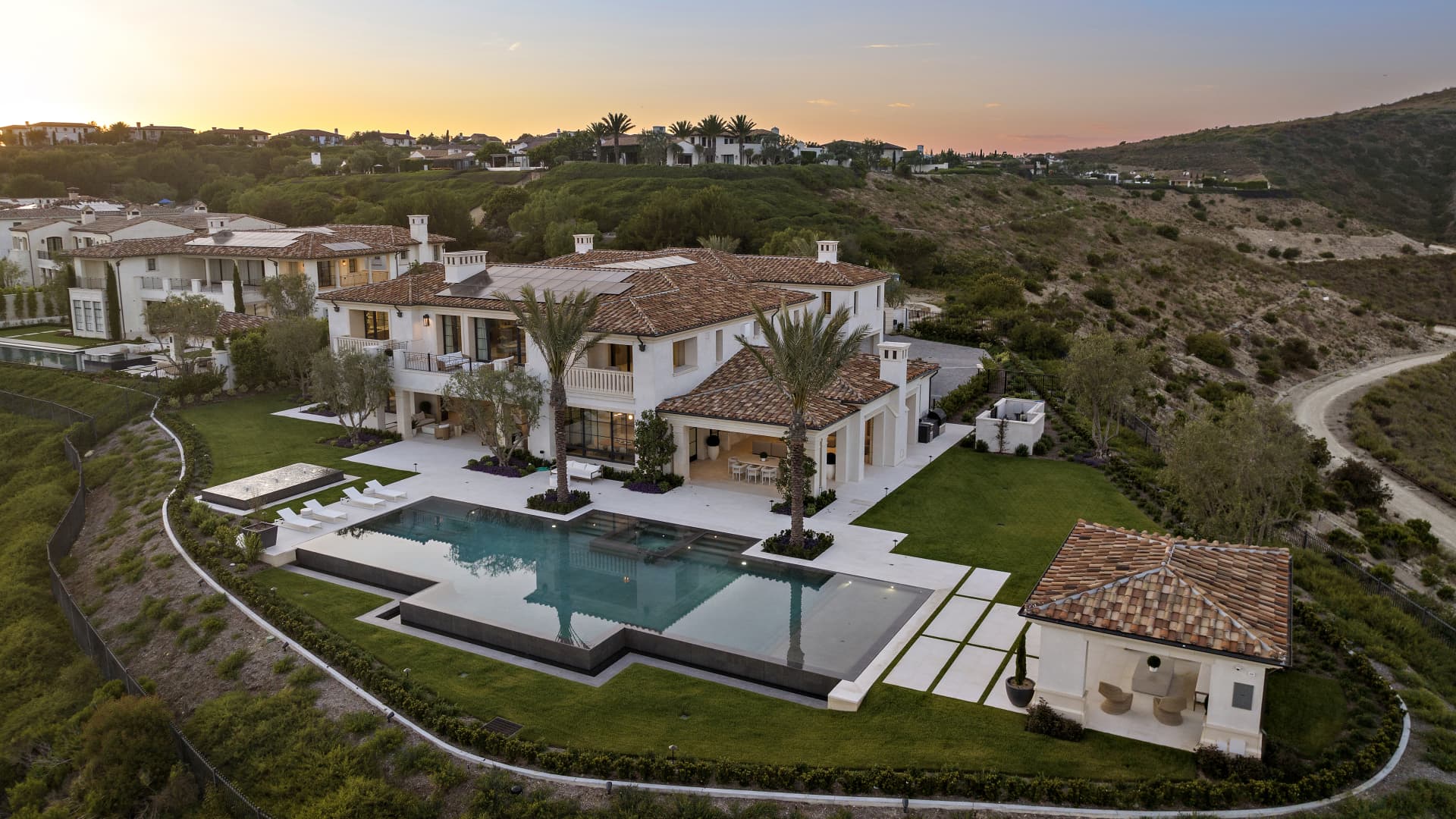
The micro-market of gated communities
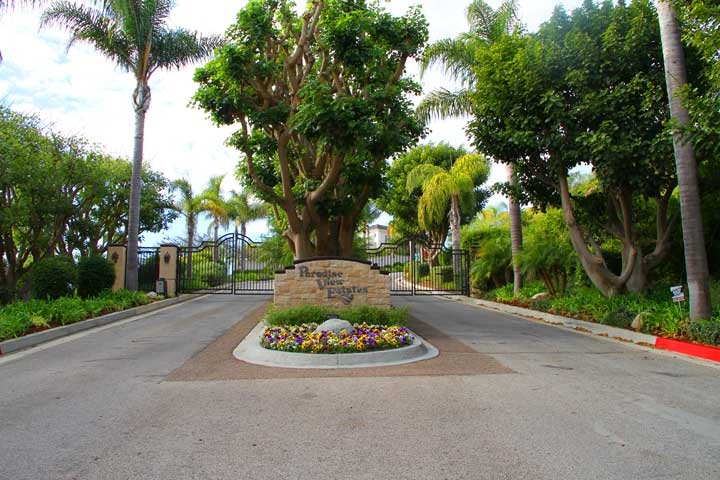
A common mistake sellers make is applying a broad-stroke pricing strategy across an entire city or even a general area. This simply doesn't work within gated communities. Each community functions as its own 'micro-market,' with unique characteristics that significantly impact property values. These factors go beyond square footage and lot size. Consider HOA fees – a high HOA can deter some buyers, while others may value the services it provides.
Community reputation is also critical. A well-managed, highly-regarded community will naturally command higher prices. Even the views within a community vary dramatically, and a property with a panoramic vista is worth considerably more than one overlooking a street. Identifying these nuances requires a detailed understanding of each community. I always start by speaking with residents, reviewing HOA documents, and thoroughly researching recent sales within the specific gates.
Translating these factors into pricing adjustments isn't always straightforward. It requires a degree of subjective judgment, but it's essential for maximizing value. For example, a property backing onto a green space within a gated community might warrant a 5-10% price premium compared to a similar property on a busier street. These subtle adjustments can make all the difference in attracting the right buyer.
- Check HOA documents for hidden fee escalations or restrictive guest rules.
- Speak with residents to gauge community satisfaction.
- Assess the views, privacy, and proximity to amenities.
- Research recent sales within the specific gated community.
Comparative Market Analysis: Beyond the Square Footage
The traditional Comparative Market Analysis (CMA) is a starting point, but it needs a significant upgrade when dealing with luxury gated communities. It’s not enough to simply compare square footage, bedroom count, and lot size. We need to analyze comparable lifestyles. Buyers in these communities aren’t just purchasing a house; they’re investing in a certain way of life.
Upgrades are a major factor. A chef’s kitchen with high-end appliances, a renovated master bathroom, or a fully integrated smart home system can add substantial value. However, it's important to assess the quality of these upgrades. A poorly executed renovation can actually detract from value. Lot size and privacy are also crucial, particularly in densely populated areas. A larger, more private lot will always be more desirable. Proximity to community amenities – the clubhouse, pool, tennis courts – also plays a role.
Finding truly comparable properties can be challenging, especially when inventory is low. I often expand my search radius and consider properties that share similar lifestyle characteristics, even if they're not in the exact same community. For instance, if a property has a resort-style backyard, I’ll look for other homes with similar features, regardless of location. I also rely heavily on my network of other agents to get insights into off-market properties and upcoming listings.
Pricing Psychology in a Luxury Context
Pricing is psychological. In the luxury tier, 'prestige pricing'—like listing at $3,995,000 instead of a flat $4 million—actually works. It makes the property feel like a curated offering rather than a commodity. It signals that the seller knows the specific value of the home's custom finishes.
Perceived scarcity also plays a role. Highlighting the limited number of properties available within a particular community or with specific features can create a sense of urgency. Staging is absolutely critical in reinforcing the price point. A beautifully staged home conveys quality and attention to detail, justifying a higher asking price. It's about creating an emotional connection with the buyer.
I've found that subtle adjustments can have a significant impact. For example, presenting the price as 'starting in the $3 millions' feels more approachable than a specific number. It invites inquiry and allows for negotiation. It's about crafting a narrative that positions the property as a premium offering without being intimidating.
A Southern California real estate firm has purchased a new apartment complex in Las Vegas for more than $100 million.
— Las Vegas Review-Journal (@reviewjournal) April 14, 2026
DETAILS: https://t.co/ScmMpiRcnI pic.twitter.com/koUWegnWKL
Navigating the Negotiation: Expectation Management
Preparing sellers for the negotiation process is paramount. Luxury buyers are often less price-sensitive than other buyers, but they are incredibly discerning. They’ve likely seen many properties and have a clear idea of what they want. It’s vital to set realistic expectations upfront and to be prepared for a potentially protracted negotiation.
Lowball offers are inevitable, and it’s important not to take them personally. I advise sellers to view them as an opening gambit. Counteroffers should be strategic and well-justified, highlighting the property’s unique features and benefits. In multiple offer situations, transparency is key. I always present all offers to my clients and discuss the pros and cons of each.
Knowing when to walk away is just as important as knowing when to compromise. If a buyer is unwilling to meet a reasonable price, or if their contingencies are overly burdensome, it may be best to move on. Creating a sense of urgency can be achieved by setting a deadline for offers or by highlighting the interest from other potential buyers. Clear communication and a calm demeanor are essential throughout the entire process.
Interest rates and the 2026 outlook
Predicting the future is always risky, but we can reasonably assess potential scenarios. Interest rates are a major factor, and any significant increases could dampen buyer demand. Current economic forecasts suggest a potential for moderate rate cuts in 2025 and 2026, but this is by no means guaranteed. The Federal Reserve’s decisions will be heavily influenced by inflation and employment data.
Inflation remains a concern. While it has cooled from its peak in 2022, it’s still above the Federal Reserve’s target level. Continued inflation could erode buyer confidence and lead to a slowdown in the market. The stock market also plays a role. A strong stock market generally boosts buyer sentiment, while a downturn can have the opposite effect.
In 2026, we should expect a more balanced market, with less upward pressure on prices. Pricing strategies will need to be more flexible and responsive to changing conditions. Sellers may need to be more willing to negotiate, and a well-prepared property with a realistic price point will be key to success.
Economic Scenario Planning for Luxury Home Sales in Southern California Gated Communities (2026)
| Scenario | Buyer Behavior | Pricing Strategy | Marketing Focus |
|---|---|---|---|
| Rising Interest Rates | Increased price sensitivity, longer decision-making timelines, focus on value. | Strategic pricing to attract qualified buyers, potential for moderate price adjustments, emphasize long-term investment potential. | Highlighting financing options, showcasing property features that offer cost savings (e.g., energy efficiency), emphasizing community amenities. |
| Stable Economy | Continued demand, buyers less concerned with financing costs, willingness to pay premium for desirable properties. | Maintain competitive pricing, potentially explore slight price increases based on market activity, focus on showcasing unique property features. | Luxury lifestyle marketing, emphasizing exclusivity and prestige, targeting affluent buyers through tailored campaigns. |
| Mild Recession | Decreased buyer confidence, increased negotiating power, potential for price reductions. | Proactive price adjustments to reflect market conditions, focus on value proposition, consider offering incentives. | Targeted marketing to value-conscious buyers, highlighting investment opportunities, emphasizing long-term growth potential. |
| Low Inventory & High Demand | Competitive bidding, quick sales, limited negotiation. | Strategic pricing to maximize returns, potential for multiple offers, focus on creating a sense of urgency. | Showcasing property’s unique features and benefits, leveraging online platforms and virtual tours to reach a wider audience. |
| Increased Property Taxes | Buyer caution, increased focus on overall cost of ownership. | Transparently address property tax implications, potentially adjust pricing to reflect increased costs, emphasize long-term value. | Highlighting community benefits and services that justify property taxes, providing detailed cost breakdowns. |
| Shifting Demographics (e.g., more international buyers) | Increased demand for specific property types (e.g., larger homes, properties with specific amenities), potential for higher price points. | Tailor pricing to appeal to target demographic, emphasize features that are attractive to international buyers (e.g., security, privacy). | Multilingual marketing materials, targeting international real estate portals, building relationships with international real estate agents. |
Illustrative comparison based on the article research brief. Verify current pricing, limits, and product details in the official docs before relying on it.
When to Adjust: Monitoring Market Feedback
Regularly monitoring market feedback is essential for ensuring a property is priced correctly. This includes tracking website traffic, the number of showings, and the feedback from potential buyers. If showings are slow or if buyers are consistently making offers below the asking price, it’s a clear indication that an adjustment is needed.
I actively solicit feedback from agents who show the property. Their insights can be invaluable in understanding buyer perceptions. Open houses and broker previews are also excellent opportunities to gather feedback. I pay close attention to the comments and questions asked by attendees.
My process for evaluating market feedback involves analyzing the data, considering the overall market conditions, and consulting with my team. I don’t believe in letting a property sit on the market for too long. A proactive approach to pricing adjustments is crucial for maximizing value and attracting the right buyer. It’s about being responsive to market signals and making informed decisions.
No comments yet. Be the first to share your thoughts!