

The reality of fire risk in Southern California
Southern California is facing an increasingly serious threat from wildfires. The past decade has seen some of the most destructive fires in state history, including the Woolsey Fire in 2018 which burned nearly 100,000 acres and destroyed over 1,500 structures, and the Thomas Fire in 2017, the largest recorded wildfire in California. These aren’t isolated incidents; they’re part of a clear trend.
Several factors are converging to create this heightened risk. Climate change is bringing hotter, drier conditions, extending fire seasons and increasing the amount of flammable vegetation. Prolonged drought has left landscapes parched, while the Santa Ana winds regularly fan the flames, driving fires rapidly across the region. Overgrown vegetation, both in wildland areas and around homes, provides ample fuel.
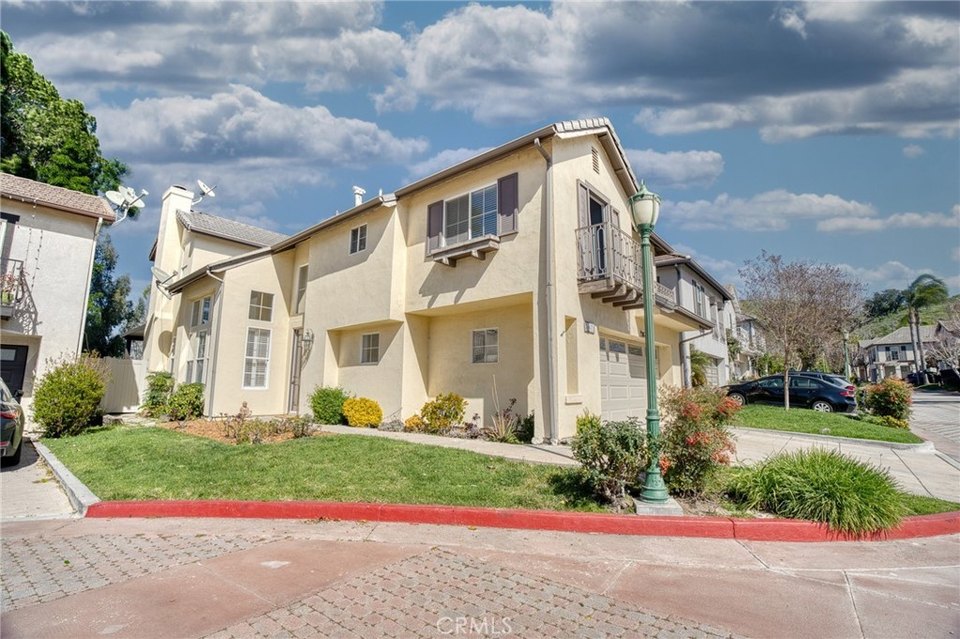
Buying a home here now requires a different checklist. Location and floor plans are secondary to how a house handles heat. A gate might keep out traffic, but it won't stop an ember storm. If the HOA isn't aggressive about brush clearance, that private road is just a fancy driveway into a fire trap.
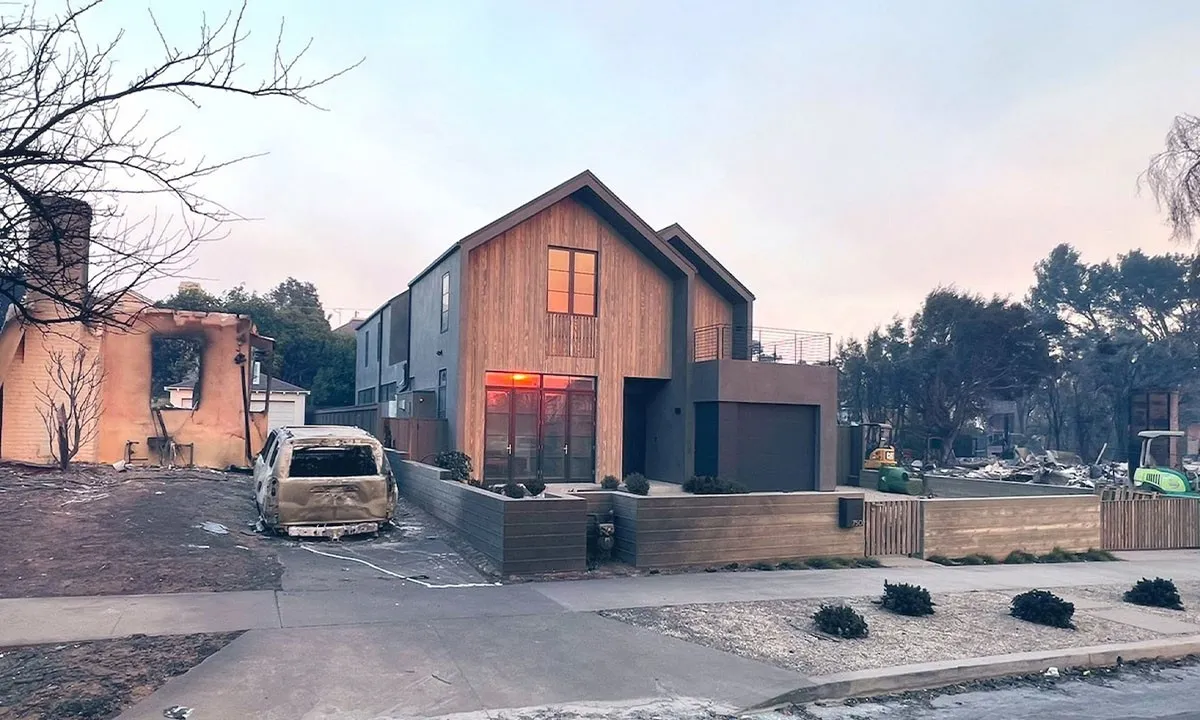
The gate is not a shield
The appeal of a gated community often includes a feeling of security, and that can extend to perceptions of safety during wildfires. Many gated communities do feature elements intended to improve safety, such as controlled access points, private roads allowing for emergency vehicle access, and sometimes even dedicated security patrols. These features can be helpful, but they don’t address the underlying fire risk.
A critical question is whether gates actually aid emergency response. During a fast-moving wildfire, a gated entrance can become a bottleneck, hindering evacuation and delaying the arrival of fire crews. Are the gates designed to be quickly opened by emergency personnel? Is there a backup power supply for gate operation? These are essential questions to ask. Furthermore, are defensible space requirements consistently enforced within the community? A beautiful landscape is irrelevant if it's full of flammable brush.
Perhaps even more importantly, do these communities have well-defined and practiced evacuation plans? A plan on paper is useless if residents don’t know it, or if it doesn’t account for potential traffic congestion or limited exit routes. We've seen too many instances of chaotic evacuations where residents were left unsure of what to do, and that's a real concern.
- Emergency overrides that work during power outages
- Are defensible space regulations consistently enforced?
- Is there a clear and practiced evacuation plan?
Malibu, Calabasas, Woodland Hills: Risk Profiles
The fire risk isn’t uniform across Southern California. Malibu, with its canyon topography and abundance of dry brush, is particularly vulnerable. The combination of steep slopes and readily available fuel creates ideal conditions for rapid fire spread. Historical data shows Malibu has experienced numerous significant wildfires, including the devastating 2018 Woolsey Fire, which caused extensive damage to homes and infrastructure. According to the Los Angeles County Fire Department, Malibu has a very high fire hazard severity zone.
Calabasas, situated near the Santa Monica Mountains, faces a similar risk. While not as directly exposed as Malibu, its proximity to the mountains means it’s susceptible to fires originating in the wildland-urban interface. The 2018 Woolsey Fire also impacted Calabasas, demonstrating its vulnerability. The city's topography, with canyons and brush-covered hillsides, contributes to the potential for rapid fire spread. Calabasas also has large areas designated as very high fire hazard severity zones.
Woodland Hills, while more developed, presents a different set of challenges. Its location in the San Fernando Valley places it in the urban-wildland interface, meaning homes are directly adjacent to areas with significant vegetation. This creates a higher risk of fires starting in the wildland areas and spreading into residential neighborhoods. The 2018 Woolsey Fire grazed the northern edge of Woodland Hills, and smaller brush fires occur with regularity. Data from the Los Angeles Fire Department shows a consistent level of fire risk in the area.
Hardening the home: 2026 standards
When evaluating a property, focusing on fire-resistant materials is paramount. By 2026, building codes are likely to become even stricter regarding fire safety. A Class A fire-rated roof is essential—these roofs are designed to withstand direct flame exposure. Fiber cement siding is another excellent choice, offering superior fire resistance compared to traditional wood siding. Dual-pane windows, especially those with tempered glass, are more likely to withstand radiant heat.
Beyond the structure itself, landscaping plays a critical role. Prioritize fire-resistant plants like succulents, rockrose, and certain types of groundcover. Maintain proper spacing between plants and structures, and ensure adequate irrigation to keep vegetation hydrated. Avoid highly flammable plants like juniper and pine. Consider the concept of 'fuel breaks' – areas cleared of vegetation to slow fire spread. These aren’t just for large properties; even a small, well-maintained defensible space around a home can make a difference.
Structural elements are also key. Enclosed eaves prevent embers from entering the attic, a common ignition point. Screened vents, made of metal mesh, prevent embers from entering the crawl space or attic. An attached garage is generally safer than a detached one, as it provides a firebreak. Metal gutters and downspouts are also preferable to plastic, as they won’t melt or burn. New technologies like intumescent coatings, which swell and create an insulating layer when exposed to heat, are becoming increasingly available.
We're also seeing advancements in smart home technology related to fire safety. Some systems now integrate with local fire departments and can automatically alert them in the event of a fire. Others offer remote monitoring of defensible space and can provide alerts if vegetation becomes overgrown. While these systems aren't a replacement for basic fire safety measures, they can add an extra layer of protection.
- Class A roofing (usually concrete tile or metal)
- Fiber cement siding
- Dual-pane windows (tempered glass)
- Metal vents
- Enclosed eaves
- Fire-resistant landscaping
- Attached garage
Essential Fire Safety Products for Southern California Homeowners

Extensive plant selection for California · 48 outdoor design ideas · 400+ color photos and illustrations
Essential for creating fire-resistant landscaping tailored to Southern California's climate.
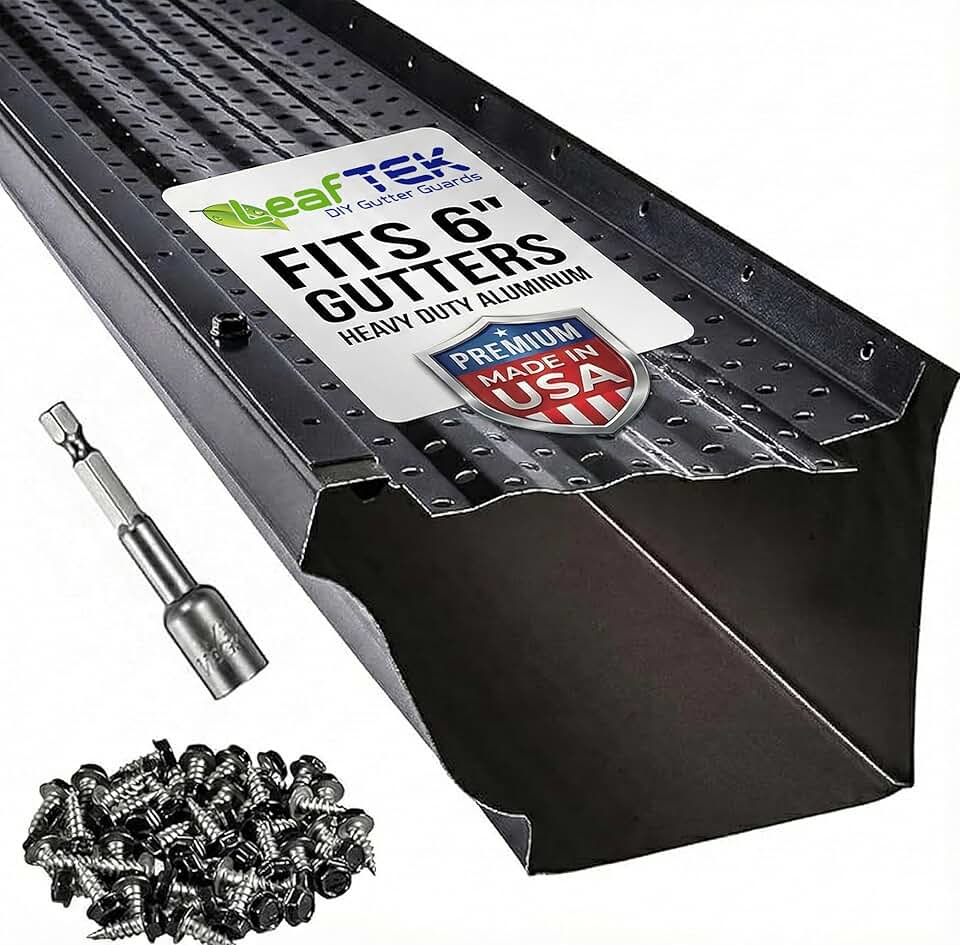
Heavy-duty aluminum construction · 100 ft coverage · Includes DIY installation kit
Prevents debris buildup in gutters, reducing fire hazards and water damage.
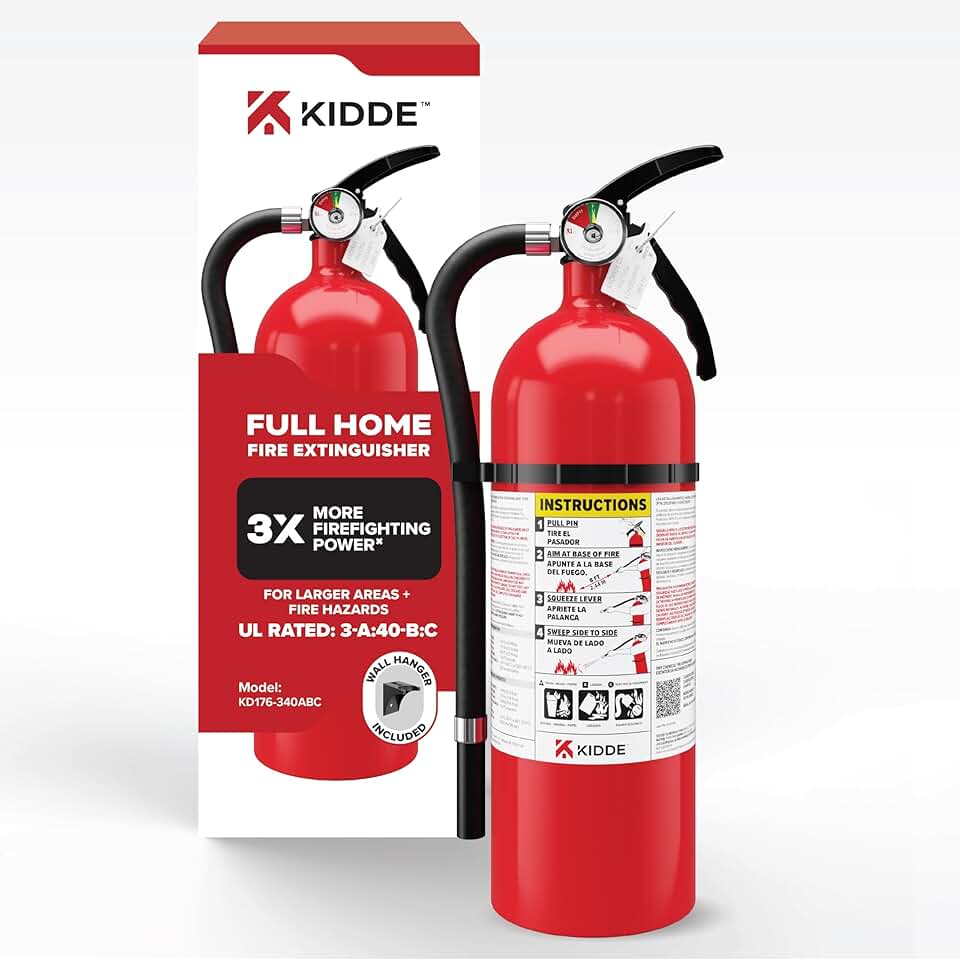
Multipurpose (ABC rated) · Suitable for home and office · Compact and easy to use
A crucial safety device for immediate response to potential fires.

Detects smoke and carbon monoxide · Battery operated · Test and silence button
Provides early warning for two critical household dangers: fire and CO poisoning.

NOAA weather alerts · Localized programming · 60+ emergency alerts
Keeps residents informed about severe weather and emergency situations, vital for preparedness.
As an Amazon Associate I earn from qualifying purchases. Prices may vary.
Defensible Space: What to Demand
Defensible space is the area around a home that’s been modified to reduce fire danger. It’s divided into zones, each with specific requirements. Zone 0 (0-5 feet from the structure) should be entirely non-combustible—no mulch, no flammable plants, only hardscaping like rock or concrete. Zone 1 (5-30 feet) requires reduced vegetation, well-maintained lawns, and the removal of dead leaves and branches. Zone 2 (30-100 feet) focuses on thinning trees and shrubs, creating separation between vegetation, and removing ladder fuels (vegetation that allows fire to climb from the ground to the treetops).
Look at the yard before the kitchen. If you see dead palm fronds or wood mulch touching the siding, the owner hasn't done the work. Ask for the last three years of brush clearance certificates from the fire department. Don't rely on standard disclosure forms to tell the whole story; they often gloss over the specific vegetation risks that actually matter in a canyon.
During a home inspection, specifically request an assessment of the defensible space. A qualified inspector can identify potential fire hazards and recommend corrective actions. Don’t hesitate to ask for a second opinion if you’re unsure. Remember, proper defensible space is one of the most effective ways to protect your home from wildfire.
The insurance squeeze
Obtaining homeowners insurance in high-fire-risk areas can be challenging. Insurers are increasingly aware of the growing threat and are responding by raising premiums, limiting coverage, and even non-renewing policies. Expect to pay significantly more for insurance in areas like Malibu, Calabasas, and Woodland Hills compared to lower-risk areas. Some insurers may require specific fire mitigation measures, such as installing fire-resistant roofing or clearing defensible space, as a condition of coverage.
It’s crucial to shop around and compare quotes from multiple insurers. Work with an independent insurance broker who can access a wider range of policies. Be prepared to answer detailed questions about the property’s fire safety features and defensible space. Some lenders may require a fire risk assessment as part of the loan approval process. They’ll want to ensure the property is adequately insured and that the risk of fire is minimized.
While dedicated loan programs specifically for fire-resistant homes are limited, some lenders may offer incentives for properties with certain fire safety features. The Federal Emergency Management Agency (FEMA) offers resources and guidance on mitigating flood and fire risk, which can be helpful in understanding your options. Talking to a mortgage lender specializing in high-risk areas is a good first step.


No comments yet. Be the first to share your thoughts!