
Woodland Hills: Why Now?
Southern California real estate is competitive, and Woodland Hills is currently experiencing a unique moment. Consistent demand persists despite broader economic uncertainties, driven by a combination of factors. Interest rates are a major influence, and recent slight easing has opened the door for some buyers who were previously sidelined.
Migration patterns also play a role. Many people seek a balance between urban convenience and suburban space, and the San Fernando Valley offers this. It's close enough to the Westside for commuting and entertainment, but provides a more relaxed lifestyle and often, more value for money.
Compared to areas like Malibu or Beverly Hills, Woodland Hills presents an alternative. The price point is generally more accessible, making it attractive to families and investors. Homes and land offer more value for the investment, and the community feel is strong. It's a good option for those wanting the California lifestyle without the exorbitant costs.
The Valley’s appeal isn’t new, but the current convergence of factors – relative affordability, lifestyle benefits, and a resilient market – makes now an interesting time to consider real estate investment in Woodland Hills. It’s a market that, while not flying under the radar, still offers opportunities for smart buyers.
Essential Tools for Woodland Hills Real Estate Investors

Comprehensive analysis of commercial real estate markets · Strategies for investment and portfolio management · Includes a data CD for further research
This book provides in-depth knowledge for analyzing and investing in commercial real estate, crucial for understanding diverse market segments.

Essential forms for residential property management · Includes a CD with digital forms · Covers key aspects of managing rental properties
This resource offers practical tools and forms for efficient property management, vital for investors overseeing residential assets.

Step-by-step guide to conducting a home appraisal · Tools and checklists for accurate property valuation · Helps understand factors influencing home values
Understanding home appraisal processes is key to accurately valuing properties, a critical step in real estate investment decisions.

Detailed overview of California real estate laws · Includes unit quizzes and over 200 case studies · Covers legal aspects relevant to real estate transactions
This guide offers essential legal knowledge specific to California real estate, crucial for navigating transactions and investments in the state.

Comprehensive manual for home buyers, sellers, and owners · Guides on assessing property condition and potential issues · Helps in documenting and protecting real estate investments
A thorough understanding of home inspection is vital for assessing the true condition and value of properties, safeguarding investments.
As an Amazon Associate I earn from qualifying purchases. Prices may vary.
Gated Community Demand: A Local Trend
A noticeable increase in demand for gated communities within Woodland Hills is evident. It’s not just a national trend, although that’s part of it; it’s a specific local phenomenon. Data from realtor.com shows a consistent rise in searches filtering for gated community properties in the 91364, 91365, and 91367 zip codes over the past two years.
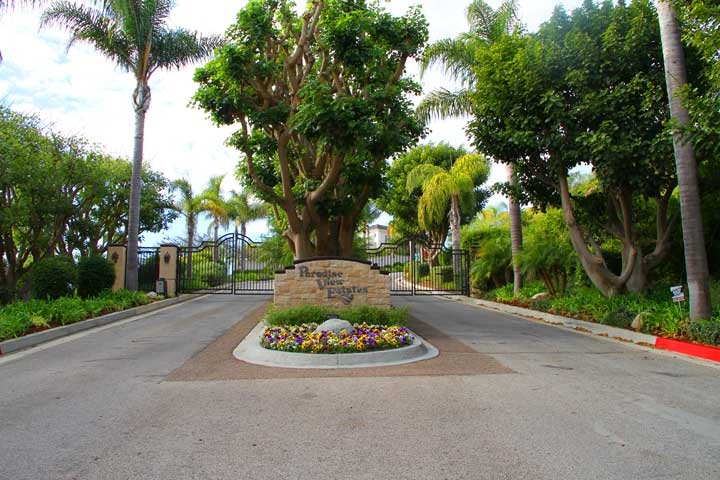
This demand is fueled by a desire for security, privacy, and exclusivity. People want to feel safe and protected, and gated communities offer a level of security that’s hard to replicate elsewhere. The amenities – pools, parks, clubhouses – are also a draw, creating a resort-like lifestyle within the neighborhood.
Homes within these gated communities consistently command a price premium. According to recent analysis, properties in gated communities in Woodland Hills sell for, on average, 15-20% more than comparable non-gated homes. This premium reflects the added value buyers place on the benefits offered by these communities. The Los Angeles County Registrar Recorder/County Clerk’s data also shows an uptick in property document requests within these specific areas.
This increased demand impacts the local market by driving up prices and creating more competition among buyers. It’s a seller’s market within these gated communities, and properties often sell quickly and at or above asking price. The trend suggests this isn’t a short-term blip, but a sustained shift in buyer preferences.
Woodland Hills Real Estate: Average Home Prices - Gated vs. Non-Gated Communities (2023-2024)
| Community Type | Average Price (2023) | Average Price (2024) | % Increase |
|---|---|---|---|
| Gated - Mulholland Heights | $1,850,000 | $2,050,000 | 10.8% |
| Gated - The Woodlands | $1,600,000 | $1,750,000 | 9.4% |
| Gated - Serra Retreat | $2,200,000 | $2,400,000 | 9.1% |
| Gated - Braewood | $1,500,000 | $1,600,000 | 6.7% |
| Gated - Hidden Hills (partial overlap with Calabasas) | $3,500,000 | $3,800,000 | 8.6% |
| Non-Gated - Woodland Hills South | $1,200,000 | $1,300,000 | 8.3% |
| Non-Gated - Dapper Hills | $1,100,000 | $1,200,000 | 9.1% |
| Non-Gated - Platt Village | $950,000 | $1,050,000 | 10.5% |
| Non-Gated - Woodlake | $1,000,000 | $1,100,000 | 10.0% |
Illustrative comparison based on the article research brief. Verify current pricing, limits, and product details in the official docs before relying on it.
The Top 7: Communities to Consider
Choosing the right gated community requires careful consideration of investment goals and lifestyle preferences. Here are seven communities in Woodland Hills that stand out, as of late 2024/early 2025. Prices and HOA fees are approximate and subject to change.
Braeside: Located in the southern part of Woodland Hills, Braeside offers a mix of single-family homes, typically ranging from $1.5 million to $2.5 million. HOA fees are around $600-$800 per month. The community boasts a park, pool, and well-maintained common areas. It feeds into the highly-rated El Camino Real Charter High School. Investment potential is solid, with steady appreciation due to desirable schools.
The Park: A newer development, The Park features modern homes typically priced between $2 million and $3.5 million. HOA fees are higher, around $800-$1200 per month, reflecting the extensive amenities – a clubhouse, multiple pools, and a fitness center. It’s a popular choice for families seeking a contemporary lifestyle. Appreciation is expected to be strong, but initial investment is higher.
Mulwood: This established community offers a more traditional feel, with homes ranging from $1.2 million to $2 million. HOA fees are moderate, around $500-$700 per month. Mulwood is known for its mature landscaping and quiet streets. It's a good option for those seeking a classic Woodland Hills lifestyle. Appreciation is steady but not as rapid as in newer communities.
Woodland Hills East: Offering a range of home styles and prices, from $1.3 million to $2.3 million, Woodland Hills East is a large community with diverse amenities, including parks, pools, and tennis courts. HOA fees vary depending on the specific section, typically between $400-$800 per month. It’s a versatile option appealing to a wide range of buyers.
Calvert Terrace: A smaller, more exclusive community, Calvert Terrace features larger homes priced from $2.5 million to $4 million. HOA fees are substantial, around $1000-$1500 per month, but cover extensive security and maintenance. It’s a good choice for those prioritizing privacy and exclusivity. Appreciation potential is high, but the barrier to entry is significant.
Serrania: Located on the outskirts of Woodland Hills, Serrania offers a more secluded feel, with homes ranging from $1.8 million to $3 million. HOA fees are around $700-$1000 per month. It’s known for its large lots and equestrian-friendly environment. It appeals to those seeking a rural lifestyle with convenient access to city amenities. Appreciation is linked to the overall market and the appeal of the equestrian lifestyle.
Bell Canyon: Technically just outside Woodland Hills, Bell Canyon is often included in discussions about the area. Homes here range from $2 million to $5 million+, and HOA fees are around $800-$1200 per month. Bell Canyon is renowned for its large lots, horse properties, and strong sense of community. It's a premium option with excellent investment potential, but comes with a higher price tag.
Investment Strategies: Fixer-Uppers vs. New Builds
Within these communities, investors have a choice: purchase a fixer-upper or opt for a newly built home. Each strategy has its pros and cons. Fixer-uppers, naturally, come with a lower initial price tag, allowing for potentially maximized return on investment through renovations.
However, renovations come with risks – unexpected costs, delays, and the potential for permits and inspections. Accurate estimation of renovation costs and factoring in a buffer for unforeseen issues are necessary. A realistic return on investment might be 10-15% after renovations and resale. New builds, on the other hand, offer peace of mind. Everything is new, under warranty, and compliant with current building codes.
The downside is the higher initial cost. You'll likely pay a premium for a new construction home, and appreciation may be slower in the short term. However, new builds often attract renters willing to pay a higher premium for modern amenities and a move-in ready condition. Expect rental yields to be slightly lower, around 3-5%, but with less ongoing maintenance.
Ultimately, the best strategy depends on your risk tolerance, budget, and time horizon. If you're comfortable with project management and have a keen eye for value, a fixer-upper can be a lucrative investment. If you prefer a hands-off approach and prioritize stability, a new build may be the better choice.
- Fixer-Upper Checklist: Obtain detailed inspection reports.
- Secure multiple renovation quotes.
- Factor in permit and inspection costs.
- Create a realistic budget with a contingency fund.
Navigating HOA Rules & Regulations
Understanding the Homeowners Association (HOA) rules and regulations is absolutely essential before purchasing in a gated community. These rules can significantly impact your property’s value and your ability to use it as you intend. Common restrictions include architectural guidelines (exterior paint colors, landscaping), rental policies (limits on short-term rentals), and pet restrictions.
HOA rules are designed to maintain the community’s aesthetic appeal and protect property values, but they can also be restrictive. Carefully review the HOA’s governing documents – CC&Rs (Covenants, Conditions, and Restrictions) and bylaws – before making an offer. Pay attention to any special assessments that may be planned, as these can result in unexpected costs.
HOA rules can affect rental income potential, so if you plan to rent out your property, be sure to understand the restrictions. Some HOAs prohibit short-term rentals altogether, while others impose limitations on the number of rentals allowed or require tenant screening. A thorough review can prevent costly surprises down the road. Don't hesitate to ask the HOA board for clarification on any ambiguous rules.
Ignoring HOA rules can result in fines and legal action. It’s better to be informed and compliant from the start. Remember, HOA rules are in place to benefit the community as a whole, and adhering to them will help protect your investment.
Interest Rate Impacts & Market Forecast
Interest rates are a major factor influencing the Woodland Hills real estate market. Rising rates increase the cost of borrowing, making homes less affordable and potentially slowing down price appreciation. Conversely, falling rates can stimulate demand and boost prices. As of early 2025, rates are stabilizing, but remain higher than they were a few years ago.
The outlook for 2026 is uncertain, but most experts predict a gradual easing of interest rates. This could lead to increased buyer activity and a modest increase in home prices. However, economic conditions – inflation, employment rates – will also play a significant role. Affordability remains a key concern, and rising rates could continue to put pressure on potential buyers.
Rental yields are also impacted by interest rates. Higher rates increase mortgage costs for landlords, potentially leading to higher rents. However, rent growth may be limited by overall economic conditions and the availability of rental properties. It’s important to factor in these considerations when evaluating potential investment properties.
I don’t have a crystal ball, but the current trend suggests a more balanced market in 2026. While we may not see the rapid price appreciation of the past few years, Woodland Hills is still expected to remain a desirable location with strong long-term investment potential. Careful due diligence and a realistic assessment of market conditions are crucial for success.
Standout Communities: Bell Canyon & The Park
While all seven communities offer unique advantages, Bell Canyon and The Park stand out as particularly strong investment opportunities. Bell Canyon’s appeal lies in its large lots, equestrian amenities, and strong sense of community. Recent sales data shows consistent appreciation, and the limited inventory keeps demand high.
The community’s rural feel, combined with its proximity to urban amenities, makes it a highly desirable location. The Park, on the other hand, offers a modern lifestyle with extensive amenities and a convenient location. Its newer construction and contemporary design appeal to a younger demographic, and the community is well-maintained.
Both communities benefit from excellent schools and a safe environment. However, Bell Canyon’s equestrian focus may limit its appeal to some buyers, while The Park’s higher HOA fees may be a deterrent for others. Ultimately, the best choice depends on your individual preferences and investment goals.
These two communities represent the upper end of the Woodland Hills market, but their strong fundamentals and desirable features make them promising long-term investments. It’s worth closely monitoring these communities for potential opportunities.
No comments yet. Be the first to share your thoughts!